

Pankapu for Windows
<h2>Pankapu review: a hand-painted 2D action-platformer of dreams</h2>
- Paid
- 4.2
- 1
- V 0
<h2>Pankapu review: a hand-painted 2D action-platformer of dreams</h2>
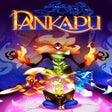
Pankapu, from Too Kind Studio, is a narrative-driven action-platformer that stages a dream-versus-nightmare tale. Players switch between three Aegis armors in real time to solve environmental puzzles and fight shadowy foes across episodic chapters. The game pairs hand-drawn 2D visuals, a Nebula skill tree, Memolith collectibles, and an orchestral soundtrack with a Hiroki Kikuta contribution. It targets fans of 90s side-scrollers and players who value story-rich, tactical platforming experiences.
What kind of game is Pankapu?
Pankapu is a 2D, narrative-focused action-platformer set inside the dreamworld of Omnia. The core loop alternates platforming challenges, exploration, and boss encounters framed as a bedtime story told to the child Djaha'rell. Players progress through episodes that present a fantasy quest on one layer and a darker, real-world struggle on the other, which gives mechanical encounters a clear emotional motivation.
How does the Aegis system shape combat and puzzles?
The defining mechanical hook is the real-time switching between three Aegis forms, named Bravery, Ardor, and Faith, which fulfill Warrior, Archer, and Mage roles. Each form supplies different weapons and skills, so tackling a sequence often requires rapid role changes. Boss fights and environmental puzzles reward timely swaps and creative use of each form's kit, making encounters more tactical than button-mashing.
What does the game look and sound like?
The visuals are hand-drawn and deliberately evoke 1990s side-scrolling fables, with painted backgrounds and character animation that emphasize mood. The soundtrack, composed by Matthieu 'Ganaé' Loubiere with a special contribution from Hiroki Kikuta, uses orchestral textures to reinforce the story-within-a-story framing. Menus and HUD keep information minimal, leaving the art and music to carry much of the emotional tone.
How does progression and replayability hold up?
Progression rests on the Nebula System skill tree, which unlocks abilities and lets players tailor Pankapu's competencies. Collectibles called Memoliths reveal additional fragments of the real-world narrative and encourage exploration. The current Complete Edition includes both the Prologue and Episode 2, and hidden content plus multiple skill builds give players reasons to revisit stages and hunt optional challenges.
A crafted debut that suits story-minded platformer players
Pankapu is a confident debut from Too Kind that will appeal to players who enjoy emotionally charged, handcrafted platforming. The Steam reaction is Mostly Positive, which reflects appreciation for the presentation and soundtrack, while the episodic Complete Edition delivers a self-contained experience. Players who prefer mechanically pristine controls should note community comments about later-level difficulty spikes and occasional control roughness before committing.
Pros
- Hand-drawn 2D art that echoes 90s animated fables
- Real-time switching between three Aegis forms for tactical play
- Orchestral soundtrack with a contribution from Hiroki Kikuta
- Nebula skill tree and Memoliths boost exploration and replay
Cons
- User reports cite difficulty spikes in later levels
- Occasional control roughness noted by players
- Dual-layered, darker real-world narrative may unsettle younger audiences
Also available in other platforms
Pankapu for PC
- Paid
- 4.2
- 1
- V 0