





4.2
Paid
Playing House
This game offers a heartwarming pretend-play adventure


Safe & trusted downloads
The best software, verified by experts
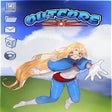
<h2>Outcore turns your desktop into a playable narrative world</h2>
Outcore: Desktop Adventure, from Doctor Shinobi, transforms a Windows desktop into a playable narrative stage where a lost character, Lumi, needs help recovering memory and data. The game has players move Lumi across taskbar items, open windows, and icons while solving puzzles that use real files and folders. It mixes platforming, file-system puzzles, meta-fictional writing, and varied mini-games. Fans of experimental indie narratives and puzzle-platformers will find a personal, story-led experience.
So, you load a program and your own desktop becomes the map. Outcore is a meta-fictional puzzle-platformer that places Lumi on the player’s screen with no memory and asks you to recover her lost data. The core loop ties exploration to narrative consequence: search desktop locations, unlock fragments of story, and watch choices affect how information about Lumi unfolds.
Thus, mechanics force real-world interactions rather than simulated menus. Platforming uses the taskbar and open windows as traversal surfaces, while file-system puzzles require using File Explorer and native tools. Mini-games punctuate progression, including
So, visuals repurpose familiar desktop elements: icons, window borders, and the taskbar become level geometry. The audio and writing lean toward emotional, self-aware beats that highlight Lumi’s story rather than cinematic spectacle. Interface cues appear within the actual desktop environment, and the title is designed for single-monitor play first but generally functions across multiple displays, with some restrictions on where Lumi can appear.
Thus, the learning curve depends on how comfortable a player is with their own desktop. Navigating folders and using native apps forms part of progression as you restore Lumi’s data, so onboarding ties to real system interaction. Replay value comes from the meta-narrative and the variety of mini-games, which change pacing and invite repeated runs to uncover different story fragments.
Outcore is a confident choice for players who enjoy emotionally focused, experimental narratives; Doctor Shinobi’s background in meta-fictional titles and the game’s "Overwhelmingly Positive" Steam reception support that position. One consideration is platform scope, because the title depends on specific Windows features. It suits anyone after a short, reflective puzzle-platform experience that treats player actions as part of the story.
Paid
This game offers a heartwarming pretend-play adventure

Paid
A calming game with a heartfelt story

Paid
The Plucky Squire blends storybook whimsy with platform adventure
Paid
Inmost: compact, melancholic action-puzzle with layered storytelling

Paid
Charming Puzzle Adventure in Tail of Glory

Paid
Cozy Adventure in Hidden Tails