Littlewood for Windows
<h2>Littlewood: A peaceful town-building RPG about life after victory</h2>
- Paid
- 4.8
- 1
- V 0
<h2>Littlewood: A peaceful town-building RPG about life after victory</h2>
Littlewood, by Sean Young, places the player in the role of a hero who returns to rebuild a community after saving the world. The game emphasizes crafting, gathering, relationship-building and environment design rather than combat, shaping a low-pressure progression loop. Key elements include town customization, multiple hobby skills, and NPC interaction systems. Fans of cozy life simulators who prefer creative, relaxed play receive a clearly targeted experience.
What kind of experience does Littlewood offer?
Inside this game, you wake with amnesia in the land of Solemn and shift the usual RPG goal from slaying threats to restoring a town. The narrative frames post-victory reconstruction as the central motivation, and exploration extends beyond the village to enchanted forests and mining caves. The design prioritizes rebuilding community and infrastructure, presenting objectives tied to settlement growth rather than combat encounters.
How does time and skill progression shape play sessions?
When you play, progression runs on a stamina-driven day system where time advances as you act and the day ends when energy is spent. The game lists more than ten hobby skills to develop, including Mining, Woodcutting, Fishing, and Bug Catching, and those skills feed crafting and resource loops. Players allocate energy to tasks, which encourages short, deliberate sessions that feel self-contained.
What do town-building and NPC systems enable for the player?
As the hero you curate the settlement through detailed placement and terrain changes, and a cast of 15 unique townsfolk supplies requests and personal backstories. Social mechanics include conversations, gift-giving, hangouts, and marriage options that advance relationships and unlock community content. Those NPC-driven threads create project goals that replace conventional quest combat with social and construction targets.
How do presentation and progression affect replay value?
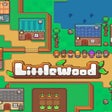
On screen, the title uses pixel art that players commonly praise for charm, and exploration areas give visual variety to restoration tasks. Progression rewards gradual expansion of the town and player skills rather than gear or level spikes, which supports repeated playthroughs focused on alternate layouts or relationship paths. Comparisons to cozy simulators are apt because creative choices drive the incentive to return.
Who should play Littlewood and what to consider
Littlewood is a measured choice for players who enjoy creative community-building and low-pressure objectives, offering a design centered on construction and social systems. The developer operates solo under SmashGames and the title ships on desktop platforms and Nintendo Switch; user reviews register as Very Positive with consistent praise for its pixel art. One practical consideration: the minimum PC requirements list a 2.0 GHz processor and 1 GB of RAM, which defines baseline compatibility for older machines.
Pros
- Stamina-based day system enables flexible, self-contained play sessions
- Deep placement and terrain control for custom town layouts
- Fifteen townsfolk with requests, backstories, and romance options
Cons
- No traditional combat, so action-focused players may not connect
- Design emphasis on creative goals limits competitive or challenge-driven play
Littlewood for PC
- Paid
- 4.8
- 1
- V 0