





4.9
Paid
Mortal Glory 2
Dynamic Combat in Mortal Glory 2


Safe & trusted downloads
The best software, verified by experts
<h2>Kyora review: pixel-level sandbox RPG with physics magic</h2>
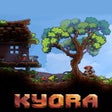
Kyora, developed by Pugstorm, is a mystical 2D sandbox adventure that asks players to explore, shape, and survive a procedurally generated realm. The game mixes pixel-by-pixel terraforming, matter-manipulating wands, action-RPG combat, and a deep crafting loop across solo or eight-player online co-op sessions. Key systems include physics-altering magic, boss fights against the Heralds, farming, and base defense. Fans of Core Keeper, Terraria, or Starbound, and groups seeking cooperative survival play find its creative focus appealing.
The game pairs creative freedom with combat-driven objectives. So, exploration and construction sit beside direct confrontation: players mine resources, craft weapons and armour, and face the Heralds who gate biome progression. The world is procedurally generated, so discoverable secrets and resource placement change each run. Thus player choices about where to build and what to harvest produce tangible story-world consequences during both daytime crafting and nighttime threats.
Co-op is a primary pillar, built for up to eight players online. The design encourages team roles through synergistic wand abilities and shared base projects. Cooperative advantages include:
The atmosphere balances ambience, adventure, and action to shape pacing. Visuals use vibrant pixel art across varied biomes, from forest ruins to blistering deserts, and environmental design supports both delicate base sculpting and frantic combat. The developer’s focus on the “Three As” keeps exploration moments distinct from action beats, so discovery, resource gathering, and boss encounters alternate rather than blur into one stream.
Early play demands learning a few precise systems. Survival mechanics such as farming, cooking, and base defence sit alongside a deep crafting tree for gear. Pixel-level terraforming and physics-based wands require deliberate input, which raises the initial skill floor compared with tile-based sandboxes. Progression depends on unlocking tools and crafting better equipment, so players who enjoy mastering systems gain the most from longer sessions.
Kyora best fits groups and solo players who enjoy iterative, open-ended play and hands-on problem solving; its early access status means systems and content are still evolving. Some players who prefer a finished, tightly scripted single-player campaign may find parts of the experience less polished. For teams that value emergent construction and tactical sandbox encounters, the game rewards time spent learning its mechanics.