
4.2
Paid
Paradise Killer
Vaporwave murder mystery that hands you the case and the gavel


Safe & trusted downloads
The best software, verified by experts
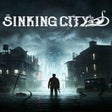
Oakmont's drowned streets: detective work meets Lovecraftian dread and danger
The Sinking City, from Frogwares, casts you as Charles Reed, a 1920s private investigator sent to a flood-ravaged Oakmont to uncover a supernatural cause. The game mixes open-world exploration with clue-gathering and third-person action so players must find, examine, and connect evidence to progress. It foregrounds deduction tools, sanity effects, and period-accurate weapons as driving gameplay. The game suits players who prefer slow-burn storytelling and complex investigative cases.
Step into Oakmont's half-submerged districts where every route changes what you can find. The map spans seven distinct neighborhoods and traversal includes on-foot investigation, boat travel, and occasional diving suit sequences. Environmental design forces choices: flooded streets hide evidence, locked buildings require alternative access, and district variety turns a single clue into different leads depending on where you search.
The game entrusts players with piecing evidence together using a specific deduction interface called the Mind Palace and a perceptual tool, the Mind's Eye, to locate hidden information. Interviews, archives, and on-site clues form raw material; players assemble links and decide conclusions. No hand-holding is explicit, which rewards methodical thinking but can leave newcomers uncertain without external hints.
Threats arrive as sanity shifts and as physical confrontations against wylebeasts and cultists. Combat is third-person with period firearms and melee, which some players find clumsy; this aligns with reports that the PlayStation 4 build can suffer screen tearing and frame rate drops. Sanity affects perception, turning routine scenes into unsettling hallucinations that alter investigation options and player confidence.
Decisions in investigations lead to branching outcomes and several possible endings, so different deductions produce distinct resolutions. Replay value comes from revisiting districts with alternate theories and watching how conclusions diverge. The developer has a history of investigation-focused titles, notably a long-running Sherlock Holmes series, which explains the emphasis on player-led casework rather than guided missions.
The game is a persuasive pick for players who enjoy slow-burning, consequence-driven detective narratives and moral ambiguity. It asks for sustained focus and accepts ambiguity as part of its appeal; players who prioritise tight mechanical precision or immediate action should expect some rough edges in moment-to-moment execution. For those who prefer atmosphere and interpretive casework, it delivers a distinctive, choice-led mystery experience.

Nathan Drake’s cinematic adventure finale

A full version program for Play Station 4, by Rockstar Games.
Welcome to the nightmare

Rockstar's open world blockbuster

A stylish superhero sandbox powered by choice and chaos
Paid
Vaporwave murder mystery that hands you the case and the gavel

Paid
Spirit Hunter: Death Mark - A Mysterious Adventure Game
Paid
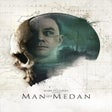
Man of Medan: A choice-driven cinematic horror for social play
Paid
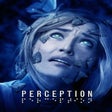
Perception: an audio-first horror that rewards patient investigation

Paid
Sherlock Holmes: The Devil's Daughter - A Detective Game by Frogwares

Paid
Enigmatis: A detective puzzle with a dark supernatural edge