

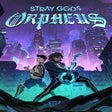
Stray Gods: Orpheus for Nintendo Switch
<h2>Stray Gods: Orpheus delivers a character-focused musical DLC</h2>
- Paid
- 4.5
- V 0
<h2>Stray Gods: Orpheus delivers a character-focused musical DLC</h2>
Stray Gods: Orpheus, developed by Summerfall Studios, extends the original musical RPG by centering on Orpheus's return to life. The expansion plays as a narrative-driven experience where player choices alter lyrics, performances, and relationships across six original interactive musical numbers. Notable elements include Anthony Rapp's lead voice work, branching narrative paths, save-file integration with the base game, and musical contributions from Tom Cardy. Fans of musical theater and narrative roleplaying games receive a focused, character-first episode.
What kind of game is Stray Gods: Orpheus?
As a narrative expansion it blends visual-novel decision trees with interactive musical numbers, making performance the primary means of expression. Players move through dialogue, choose lines that change song lyrics and tonal cues, and watch those choices resolve onstage. The DLC requires the base game, and carried-over save files can influence certain scenes so prior playthroughs affect continuity.
Does it have a multiplayer mode?
Single-player only, the expansion emphasizes branching paths and character decisions rather than co-op or competitive modes. The core mechanical hook is six original interactive songs where player input dynamically alters lyrics and musical phrasing. Choices shape Orpheus's personality, romantic options, and eventual fate, producing multiple narrative branches and alternate endings tied to those decisions.
What does the game look and sound like?
The release foregrounds voice and music: Anthony Rapp stars as Orpheus and Erika Ishii voices Hermes, while composer Austin Wintory provides the new tracks. Lyrics come from Simon Hall, Montaigne, and Tom Cardy, shifting tone between comedy and sincerity. Presentation uses stage-like framing and dialogue panels so the interface highlights timing and lyrical change, and these elements together place the performance front and center.
How long does it take to finish and is it replayable?
A single playthrough typically runs about 1.5 to 2 hours, a compact run designed for focused sessions. Branching choices and variable lyrics encourage repeat plays to explore alternate personalities and outcomes. Compared with the main game's broader narrative stakes, this episode narrows scope toward character comedy, which appeals to players wanting concentrated, repeatable performance moments rather than extended campaign length.
In summary, a concise, performance-first expansion that suits theater-minded players
Stray Gods: Orpheus is a concentrated, character-driven addition best for players who value voice-led performances and branching musical choices. Its design rewards multiple passes to sample alternate lyrical outcomes, while those seeking long-form gameplay or larger narrative scale should account for its focused scope. The expansion functions as a compact companion that deepens Orpheus's personal arc within the existing game.
Pros
- Six interactive songs where choices change lyrics and music
- Anthony Rapp leads a full voice cast as Orpheus
- Save-file integration preserves continuity with the base game
- Branching narrative supports varied personalities and endings
Cons
- Single-session length of about 1.5–2 hours may feel brief
- Requires ownership of the base game, not standalone
- Strictly single-player, no multiplayer options
Also available in other platforms
Stray Gods: Orpheus for Nintendo Switch
- Paid
- 4.5
- V 0
Top downloads

Idol Manager
Dive into the World of Idol Management

Pianista: The Legendary Virtuoso
Immerse Yourself in Pianista: The Legendary Virtuoso

Kingdom Hearts: Melody of Memory
Kingdom Hearts: Melody of Memory - A Musical Rhythm Game

Just Dance 2025 Edition
Dance to an exciting new lineup of tracks

Zumba: Burn it Up
Zumba: Burn it Up - Dance Your Way to Fitness