



5
Paid
Power Network Tycoon
Strategic Electricity Management Simulation Game


Safe & trusted downloads
The best software, verified by experts
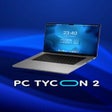
Build a global PC empire in a relaxed tycoon sim
PC Tycoon 2 from Insignis Games puts you in charge of a startup computer company, guiding product design, production, and market strategy. The game blends hardware design, operating system development, and a hands-on PC assembly simulator so players manage component specifications, test their own OS, and ship finished machines. Key systems include a 3,000+ technology research tree, ten office upgrade levels, and interactive OS testing for built products. It targets business-simulation fans and PC enthusiasts seeking a relaxed, creative tycoon experience.
In this game you act as the CEO of a computer hardware company and direct product lifecycles from component design to finished machines. The loop cycles between research, designing CPUs/GPUs/motherboards, and expanding production capacity inside a sandbox environment. The developer positions the title as a relaxed, chilled-out tycoon rather than a hardcore technical simulator, so creative design and business choices steer progression more than exact engineering minutiae.
When you manage the company the systems make corporate strategy tangible: hiring staff, upgrading through ten office levels with 3D models, and scaling factory output. Economic decisions include marketing investment and reading detailed company statistics, plus an option to pursue corporate takeovers of rivals. Smart AI competitors research technologies and release products in real time, so market timing, research allocation, and acquisition choices form meaningful strategic trade-offs.
As a Mac-ready simulation the app uses 3D office models for visible growth and simplified design screens for component creation. The macOS build supports Apple Silicon and requires a Metal-capable GPU on Mojave or newer. Users have noted the interface reflects mobile roots, which can make layout feel dense on larger displays. Audio is understated ambient music and functional UI cues that provide information without drawing focus.
Beginning is approachable because the developer frames the experience as accessible with a gentle learning curve. Long-term engagement comes from a research tree of over 3,000 technologies and the freedom to design components and test operating systems on assembled machines. The sandbox structure and incremental company expansion offer varied mid- and long-term goals, rewarding players who enjoy gradual progression and repeated design experimentation.
The game suits players who prefer gradual company growth, creative product choices, and long play sessions that reward planning. However, the developer opts for a casual design emphasis, so players seeking strict hardware realism should expect reduced technical fidelity. For those content with management-focused progression and design freedom, the title delivers a deep sandbox for experimenting and scaling a tech business across many sessions.