




4.2
Paid
Fingerdance
A simple-looking but tricky keyboard game


Safe & trusted downloads
The best software, verified by experts

<h2>Therapeutic typing adventure centered on counseling troubled young women</h2>
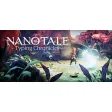
Pain Pain Go Away! by Lorebard casts you as a counselor using a fictional therapeutic device. Typing is the primary interface, with typed responses steering conversations and the counseling process; the experience emphasizes narrative progression and emotional outcomes rather than raw speed. It includes multiple character arcs, an in-game P2GA device simulation, and interactive dialogue that connects mechanics to character growth. Ideal for players who favor narrative indies and typing-centric interfaces exploring mental-health themes with reflective pacing.
The game uses a typing-based interaction model where player input directly shapes the counseling process; this design turns text entry into the core game loop. The fictional P2GA device functions as an in-world interface, so players perform therapeutic tasks by composing responses rather than by meeting high-velocity keystroke targets. This places emphasis on choice and phrasing, turning typing into a metaphor for communication instead of a pure dexterity challenge.
The experience positions the player in private counseling encounters rather than competitive or co-op modes, with a keyboard as the intended input device. Because the gameplay centers on dialogue and therapy simulation, interactions feel like one-on-one sessions that reward careful reading and considered replies. The Windows release via Steam requires a standard keyboard, which reinforces the solo, contemplative nature of each encounter.
Atmospheric adventure elements and a simulated therapeutic environment set a restrained tone that highlights emotional content. The in-game P2GA frames conversations in a clinical, controlled way, and the narrative focus directs attention toward empathy and psychological understanding. Audio-visual design aims to back the writing rather than overwhelm it, keeping the player engaged with character histories and internal states.
The game offers deep exploration of multiple young women’s stories, where progression depends on attentive dialogue and repeat engagement with character arcs. Because the title prioritizes story over speed, players gain new insights by replaying sessions and trying alternative responses. The indie community response notes the premise and character work as distinguishing elements, which will appeal to players who value careful narrative unfolding over short-form action loops.
The game is a deliberate, inward-facing experience suited to players seeking character-driven, conversational interaction rather than fast-paced action. Expect an emotionally weighty tone that rewards patience and careful phrasing; players uncomfortable with intense psychological themes should consider that constraint. For those prepared for introspective storytelling, the title delivers a focused, uncommon take on how typing and dialogue can carry an adventure.

Be careful and be mindful

The Last Ninja Collection: A Retro Gaming Treasure

Let's Sing 2016: The Karaoke Game for up to 8 Singers

An emotional ride through a narrative game

A gamebook-adventure mythic battle for glory
An adventure survival horror game with a retro touch

Narrative-driven sci-fi adventure game
Kill Slender with a weapon
A terrifying backroom journey

Unlock more mysteries behind the Shadow

A quirky point-and-click adventure game

A cat’s journey of discovery