




4.6
Paid
The Aching
"The Aching" - A Retro Horror Adventure Game


Safe & trusted downloads
The best software, verified by experts
<h2>Happy Game blends childlike art with psychedelic psychological horror</h2>
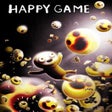
Happy Game, developed by Amanita Design, is a psychological horror adventure that places a young boy inside three nightmarish dreamscapes. Players solve point-and-click environmental puzzles to progress through surreal, hand-drawn scenes and violent encounters. The title pairs Jaromír Plachý's distinctive artwork with an unsettling soundtrack by DVA and a wordless visual narrative. It targets adult fans of indie horror and surreal art seeking a short, sensory-driven single-session experience. The developer is known for surreal, wordless adventures, so the game emphasizes visual storytelling over text.
In this game, the player inhabits a child’s nightmare rather than a conventional plot. The structure is an atmospheric, psychological-adventure loop across three distinct dream worlds where exploration and environmental interaction move the story forward. The experience is deliberately sensory-driven: meaning progression depends on observing animated scenes and manipulating on-screen objects rather than reading dialogue or parsing menus.
Inside the nightmares, interaction follows an experimental point-and-click model focused on trial-and-error discovery. Progression is linear through three stages, with puzzles solved by prodding, pulling, and combining surreal elements. Encounters include a cast of bizarre characters, for example suspicious smiley faces and macabre pink bunnies, which act as interactive set pieces more than conventional NPCs. The game contains no written or spoken dialogue, so all instructions arrive visually.
Within the presentation, Jaromír Plachý’s hand-drawn visuals deliberately juxtapose 'cute' aesthetics with grotesque imagery, producing frequent tonal dissonance. The soundtrack and sound effects, created by the band DVA, provide an unsettling atmosphere that supports mood and tension. Visual cues and audio work together to communicate theme and threat, so players interpret mood from synchronous art and sound rather than explicit exposition.
Regarding accessibility, the absence of text makes interpretation necessary, which suits players who enjoy visual puzzles and thematic reading. Replay value is driven by close inspection of imagery and the appetite for surreal interpretation rather than branching systems or competitive modes. The design privileges a compact, focused experience; the emphasis is on mood and art over expansive systems or long-term mechanical hooks.
Happy Game is a distinctive choice for adult players who appreciate art-led, single-session psychological pieces. The title is compact, with a typical completion time cited at two to three hours, and user feedback notes relatively simple puzzles and short total playtime as common limits. It suits players who prioritize visual storytelling and atmosphere over extended gameplay depth, and it is worth trying for fans of surreal indie horror.
Paid
"The Aching" - A Retro Horror Adventure Game
Paid
CENTRALIA - A Horrifying Adventure Game
Paid
Abandon all hope
Paid
Blackbay Asylum: A Mind-Shattering Adventure Game
Paid
The Last Door - Collector's Edition: A Low-Res, High-Suspense Horror Adventure
Paid
Unearth Cosmic Mysteries in Cosmic Fear