





4.6
Paid
Tiny House Simulator
Tiny House Simulator mixes compact building with island delivery


Safe & trusted downloads
The best software, verified by experts
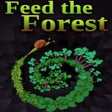
A tiny snail paints the desert green
Feed the Forest, from Indoor Sunglasses, is a short incremental forest-building game about a water snail restoring plant life to a barren landscape. Players water empty ground, grow vegetation, gather fruit, produce juice, and purchase upgrades that accelerate expansion. Helper snails automate fruit collection while the player continues planting manually. Its colorful presentation gradually reveals surreal and unsettling details, giving the gentle growth loop a darker personality that suits incremental fans who enjoy active play alongside automation.
The player controls the Snail of Growth and moves across dry terrain, using water to establish grass, bushes, and trees. These plants later produce fruit, which generates juice for upgrades and feeding the mysterious Forest. The steady visual transformation provides satisfying feedback as empty land becomes densely covered with vegetation. However, the available activities remain focused on planting, collecting, and expanding, so the core routine can become repetitive during longer sessions.
Automation gradually reduces the amount of manual collection required. Recruited helper snails gather fruit while the player concentrates on watering new areas and extending the forest. This creates the accelerating production associated with incremental games without turning the experience into a completely passive idle title. Juice upgrades improve movement, production, and helper performance, although announced systems such as prestige progression and a broader skill tree belong to the planned full game rather than the current preview.
Glowing plants and colorful fruit stand out against the empty desert, making every expanded patch easy to recognize. The cheerful artwork also contrasts with the Forest, the Worm of Merchants, and references to blood, flesh, and relentless production. This tonal shift gives the game a memorable identity beyond its resource loop. Players looking for uninterrupted coziness can find the darker imagery jarring, while those who enjoy surreal humor can appreciate the unease beneath its gentle surface.
The available demo introduces planting, fruit production, helper snails, shops, cosmetics, upgrades, and the beginnings of its unusual story. Its compact scope makes the main loop easy to understand, but it also limits mechanical depth and narrative development. Faster movement and stronger production arrive through upgrades rather than repeated roguelite runs. The broader project promises additional plants, progression systems, and story content, though those planned features do not define the current playable experience.
Feed the Forest offers a simple but distinctive mixture of active planting and automated resource gathering. Watching the desert fill with vegetation delivers an immediate sense of progress, while the darker humor keeps the premise from becoming another straightforward cozy simulation. Its limited preview and repetitive collection cycle restrict long-term variety, yet the helper-snail system gives the incremental growth a satisfying rhythm. It suits players who value atmosphere, visible expansion, and gradual production more than complex management or lengthy storytelling.